What are ‘make good’ obligations?
When a commercial or retail lease comes to an end, both landlords and tenants face one final hurdle – the ‘make good’ obligations contained in the lease. These obligations set out the condition in which the tenant must return the premises to the landlord at the end of the term.
Make-good clauses typically require a tenant to return the premises in a similar condition to how they were at the start of the lease. However, the scope of a tenant’s make-good obligations can vary significantly depending on the lease terms and the nature of the tenancy.
What do make good provisions usually cover
Although every lease is different, make-good obligations often include:
- Removing the tenant’s fixtures, fittings, plant and equipment;
- Repairing damage caused during tenancy;
- Returning finishes to the state required by the lease (sometimes “as new” condition or otherwise as specified);
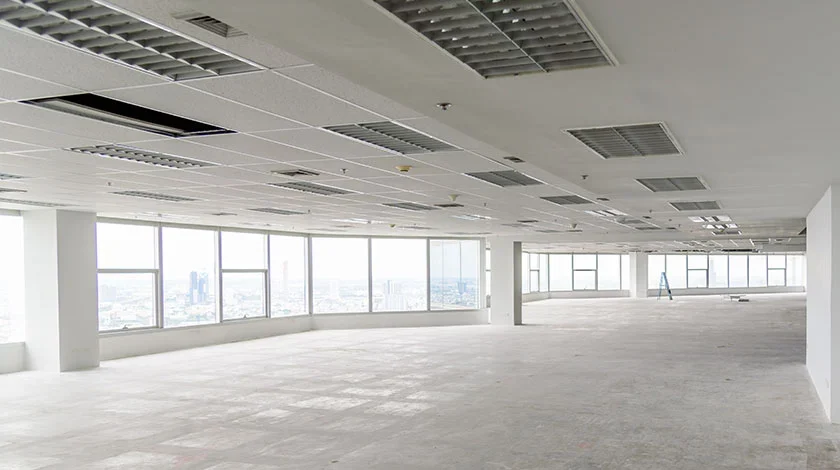
- Reinstating the premises to an ‘empty shell’, including stripping out tenant works and leaving the premises ready for a new fit-out, and;
- Completing rubbish removal and general cleaning.
Retail leases commonly include procedures to resolve make-good disputes. These may require the appointment of an independent certified quantity surveyor to make a binding determination if the parties cannot agree.
Why do make good clauses commonly lead to disputes?
Poor drafting or uncertain interpretation of make-good clauses is a frequent source of conflict between landlords and tenants. Many provisions are ambiguous, making them open to competing interpretations and ultimately, disputes.
Disputes also often arise where tenants fail to budget adequately for make-good works, leaving them unable to comply with their obligations when the lease ends. Understanding these obligations from the outset is critical.
Recent cases highlight the complexity of large scale make-good disputes. In The Trust Company Pty Ltd v Commonwealth of Australia [2025] NSWSC 502, a developer sought over $20 million from the Department of Defence (Defence), alleging non-compliance with its make-good obligations upon lease surrender. The Court rejected the claim, finding that the alleged losses stemmed from major redevelopment works, rather than any failure by Defence to restore the premises to their pre-existing condition. The case highlighted the need for precise and premises-specific make-good clauses, particularly where future redevelopment is contemplated.
In Auspods Holding Pty Ltd v MJ HQ Pty Ltd [2025] NSWDC 197, the head tenant (Auspods) paid a settlement to its landlord for an alleged make-good breach and sought to recover those costs from its subtenant, MJ HQ. The Court held that the subtenant’s minor breach (namely a dented roller door) only justified a minor contribution and did not entitle Auspods to recover the full settlement amount. The case demonstrates that make-good settlements with superior landlords do not automatically flow down to subtenants, and reinforces the importance for landlords to keep clear evidence of the premises’ condition at both commencement and handover.
Tips for landlords and tenants on make good provisions
- Tenants: Review the lease carefully and confirm the make-good requirements 6-12 months before expiry. Early discussions with the landlord can avoid unexpected costs and future disputes.
- Landlords: Ensure your make-good clauses are clear, proportionate and aligned with your re-letting strategy. Keep thorough records of the premises’ entry condition, monitor tenant works (and alterations), and commence exit discussions early to prevent delays in securing a new tenant.
- Both parties: Maintain comprehensive documentation (condition reports, photos, service records), understand timing and cost responsibility, and seek to agree the make-good scope or a commercial settlement early to avoid hold-over, disputes or surprise claims.
If you have a lease dispute, or need help drafting your make good provisions, please contact Laura Bazouni at Coleman Greig Lawyers.