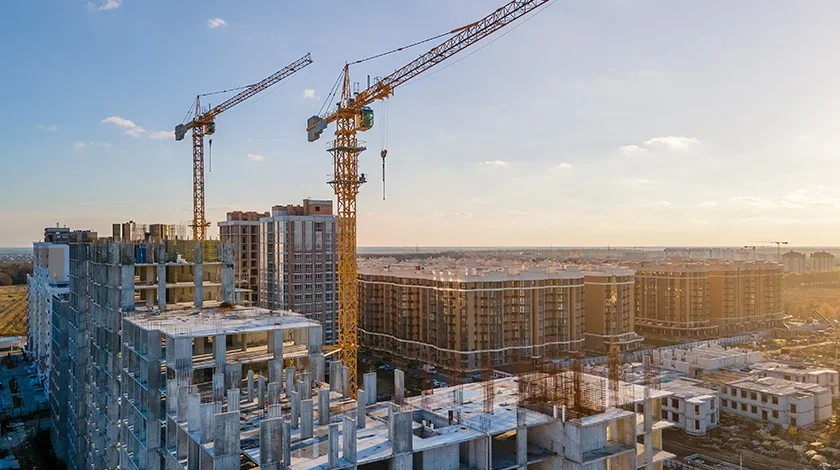
The rules for residential construction in NSW have changed. For builders and developers, the arrival of the empowered NSW Building Commission marks a significant shift in how compliance is monitored and enforced across the state.
Understanding the new building commissioner orders and enforcement tools is essential for keeping your projects on track and protecting your business.
Here’s what has changed, what it means for you on-site, and how you can prepare…
Background: Why Was the NSW Building Commission Formed?
This new regulatory body didn’t appear overnight. Its formation was a direct response to declining public trust in the construction industry after several high-profile building failures. The path to today’s commission was a clear, staged process:
- 2020
The Residential Apartment Buildings (RAB) Act was introduced to target serious defects in new apartment blocks. - Post-2020
The role of the NSW Building Commissioner was created to spearhead industry reform. - 2023
The Building Legislation Amendment Bill finalised the process, merging key functions of NSW Fair Trading with the office of the building commissioner.
This created a single, powerful regulator responsible for oversight from design to completion. For the industry, it means one set of eyes with more authority than ever before.
What Are the Commissioner’s Powers Under the New Law?
So, what do these changes mean on-site? The Commissioner and their authorised officers now have extensive powers to investigate compliance with the Home Building Act and the building code.
This is what matters in practice. They can now:
- Enter any construction site where residential building work is being done, often without prior notice.
- Carry out a full compliance inspection, including examining work, taking samples and recordings, and performing tests.
- Seize items they believe could be evidence of a legal breach or building defect.
- Demand records and documents related to the project to verify compliance.
- Authorise destructive testing if it’s necessary to uncover the source or extent of a serious defect.
These powers are designed to give the regulator the ability to act quickly, putting the responsibility on builders and developers to be compliant at all times.
Types of Building Commissioner Orders Now Enforceable
Beyond inspections, the Commission’s primary enforcement tools are legally binding building commissioner orders. Ignoring them carries serious consequences. There are three main types you need to know:
- Stop Work Orders
This order forces an immediate halt to all or specific parts of building work. It’s used when a serious defect is found that needs to be addressed before work can safely continue. - Rectification Orders
This is the most common order. It compels a builder or developer to fix specific defective work by a set deadline. These can be issued for work in progress or for completed buildings. - Prohibition Orders
This is a powerful final-stage intervention. It blocks the issuing of an occupation certificate, preventing the developer from finalising sales or letting residents move in until all serious defects are fixed.
Failing to comply with an order can lead to significant financial penalties for both companies and individuals, as well as potential action against your licence.
The Reality of Warrantless Entry
Perhaps the biggest change is the power to enter a construction site without a warrant. While certain protections apply to occupied homes, the authority to access an active worksite to investigate suspected issues is now firmly established.
In practice, this means an authorised officer can arrive unannounced to conduct an inspection. This expansion of construction site powers in NSW underlines the regulator’s focus on proactive enforcement. It is a core part of the NSW Building Commission enforcement strategy, designed to ensure standards are met throughout the entire build process.
What Builders & Developers Should Do to Prepare
A reactive approach is no longer enough. To protect your projects and your business, you must have clear systems in place. Here are four practical steps to take now:
- Keep Your Documentation Flawless
Your records are your first line of defence. Make sure plans, certificates, contracts, and variation documents are organised and accessible. - Implement Proactive Compliance Checks
Don’t wait for an inspector to find an issue. Use internal or third-party audits to catch problems early and maintain quality control. - Train Your Site Managers
Your manager is the face of your business during an inspection. Make sure they understand their rights and responsibilities to manage the process professionally. - Get Legal Advice Early
Partner with a construction law expert before an issue arises. Early guidance can help you establish compliant processes and respond correctly if an officer attends your site.
These steps are about compliance, but most importantly they help in reducing disruption, avoiding costly delays, and protecting your legal position.
Implications for the NSW Construction Industry
For most builders, the impact of these changes is immediate. The new regulatory environment means:
- Greater Scrutiny
All projects, big or small, are now subject to potential unannounced inspections. - Increased Risk of Delays
An investigation or a Stop Work Order can have a major impact on your project timelines and budget. - A Shift to Proactive Quality
The focus must now be on getting it right the first time, demanding greater investment in quality assurance. - Potential Reputational Damage
A publicly issued order can harm your brand, affecting future projects and partnerships.
Final Thoughts: A New Standard for the Industry
These reforms are designed to lift standards and restore public confidence in residential construction. While the powers are extensive, their purpose is to hold all industry participants accountable for delivering safe, compliant homes.
The key takeaway is this: proactive compliance is no longer optional. It is the new baseline for operating successfully in NSW.
For businesses in Greater Western Sydney, having a local legal partner who understands the commercial realities of the industry and the nuances of this new landscape is invaluable. An expert advisor helps you move forward with total confidence, so you are prepared, protected, and focused on what you do best: building.
Need Help Navigating NSW Building Laws?
The new building regulations can feel daunting, but you don’t have to go it alone. Our specialist Building & Construction Law team is here to provide clear, practical advice.
Speak with us early; it’s the simplest way to reduce risk and keep your project moving forward.