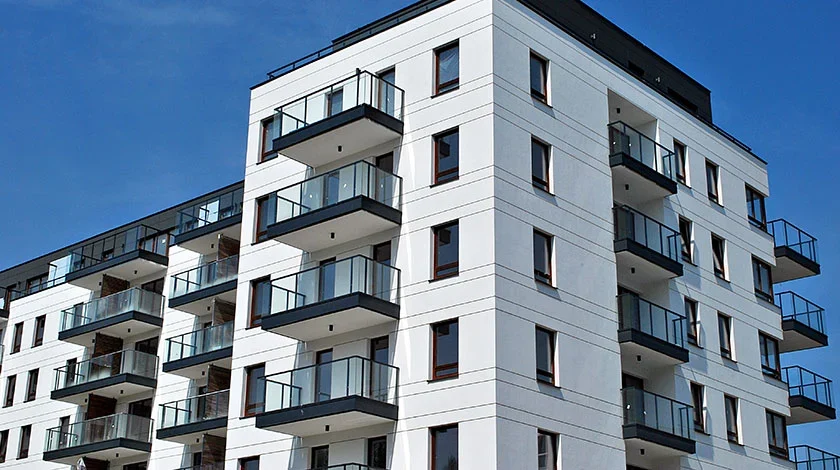
A strata scheme is a building or group of buildings that have been divided into lots which can be apartments, villas, offices, units or townhouses. This will be articulated in the strata plan.
If you live in a strata building, you’ll come across a number of entities associated with the strata scheme. It is important to understand the difference between these roles as it can assist when raising concerns or making requests.
Owners Corporation
An Owners Corporation is formed when subdivided land is registered as having common property. It is a body corporate of all lot owners in the strata scheme. When buying a lot in a strata scheme, you automatically become a member of the Owners Corporation. Once you have sold the lot, you are removed from the Owners Corporation.
The role of the Owners Corporation is to make decisions and manage the strata scheme. Responsibilities can include maintaining insurances, decisions about fees to meet financial obligations, preparing financial statements, keeping records and ensuring compliance with any applicable legislation.
The Owners Corporation must hold an Annual General Meeting (AGM). This is an opportunity for lot owners to come together and make decisions about the governance of the scheme. Notices of an upcoming AGM must be provided to all property owners.
In most strata schemes, the Owners Corporation uses a strata committee or strata manager to assist with their tasks. This is why many lot owners are not as involved in the operation and management of the strata scheme. Although authority is delegated to the strata committee or strata manager, the Owners Corporation has the ultimate authority.
Strata Committee
A Strata Committee is a select group of people that the Owners Corporation has elected at an AGM to assist in management of the strata scheme. At the discretion of the Owners Corporation, the committee can consist of up to nine people. However, for a large strata scheme comprising of more than 100 lots, there must be at least three members in the strata committee. Owners can nominate themselves, another owner or someone who does not own a lot in the strata scheme to be a committee member.
The Strata Committee is usually provided the power to make decisions for tasks such as:
- spending for the day-to-day running of the scheme (e.g. hiring repairers, arranging insurance);
- approving applications under a by-law of the scheme (e.g. approving renovation applications); and
- issuing a notice to comply with a by-law.
Strata Committee members must also choose one or more people to take on the committee’s ‘office bearer’ roles. Those include the chairperson, secretary and treasurer.
Strata managers
A strata manager provides further assistance to the strata committee, or directly to the Owners Corporation. Strata managers are paid professional managers and are usually delegated certain powers from the Strata Committee or Owners Corporation. Their appointment is required in the form of a service agreement to account for all delegated powers and is made at the AGM.
A strata manager is not compulsory, however, most strata schemes have one because managing a strata scheme can be a time consuming and difficult task.
Building manager
A building manager is responsible for the common property of the building. They assist the Owners Corporation, Strata Committee or strata manager with managing the common property through general maintenance and repairs.
Building managers are the on-site contact for owners and visitors, assisting with day-to-day tasks required around the building.
Property manager
Lot owners can engage a property manager to manage lots that they are leasing to tenants. Property managers liaise with the tenant directly to collect rent and ensure that the individual lot is properly maintained.
Landlords decide how much interaction the property manager can have with the other roles in the strata scheme. A landlord can delegate power to the property manager to correspond directly with the strata manager where necessary.
Who do I contact?
As an owner of a lot in the strata scheme, if you have any issues with common property, correspondence is usually sent to the strata manager. For strata schemes without a strata manager, any issues should be directed to the Strata Committee. The Secretary is the Strata Committee member with responsibility to receive and manage correspondence.
Building managers are often the primary contact for any suppliers or contractors associated with the strata building.
If you need advice on issues arising in your strata scheme, please contact our Strata team at Coleman Greig Lawyers.
For more information on this topic, read our Plain English Guide to Strata Schemes.