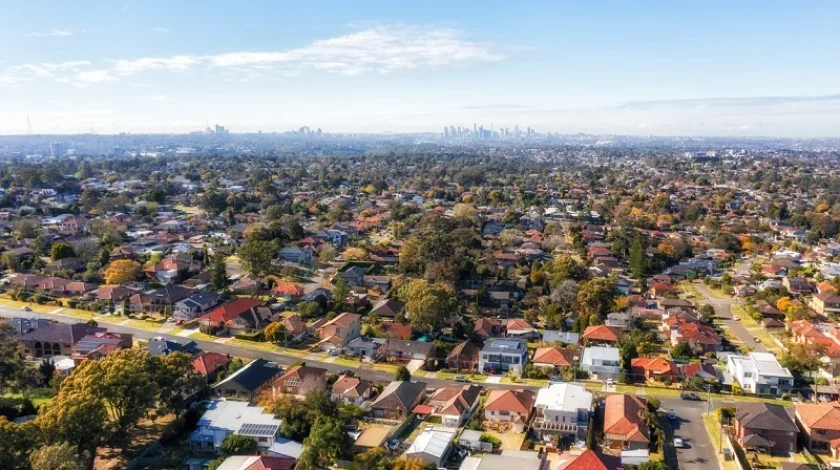
In this two-part episode of Coleman Greig’s ‘In Practice’ series, building and construction law expert and Principal, Nick Kallipolitis, joined industry leaders for a discussion on ‘The Future of Greater Western Sydney – The Sydney Metro Norwest has arrived and Aerotropolis is on its way so what’s next’.
Hosted by Sydney Hills Business Chamber on Friday 28 June, 2019, speakers consisted of::
- Elizabeth Dibbs, District Commissioner – Western City, Greater Sydney Commission;
- Scott Gregg, Executive General Manager, LANDCOM;
- Dr Michelle Byrnes, Mayor, Hills Shire Council; and,
- Kieran Davies, Chief Economist for NSW Markets, NAB.
As anyone who lives and works in Greater Western Sydney is aware, the region is booming and only continuing to grow. Many of the state’s major infrastructure projects are underway to further improve the region’s appeal to businesses, residents and tourists.
The key takeaways
In Part 1 of this episode, the speakers explained what they view as the priorities for Greater Western Sydney, and how their business is involved in achieving these priorities.
Elizabeth from the Greater Sydney Commission described the Commission as an entity to bring coordination and collaboration to planning efforts across Sydney. She emphasised the importance of the eight local councils in working together on a common planning approach for Western City, one of the ‘Metropolis of Three Cities’ envisioned in The Greater Sydney Region Plan.
As with many areas across the state, population growth is being taken into consideration. With the highest housing prices in Australia, housing is often a hot topic. The provision of “affordable and sustainable communities” to cater for growth around key infrastructure such as the Aerotropolis is a priority for Landcom, according to Scott.
The state of the economy has also been front of mind for many with record low interest rates as the Reserve Bank tries to stimulate cash flow, coupled with a tightening on lending by the banks. Kieran addressed the current slowdown, stating that were still further impacts to be felt in the areas of housing construction and house prices.
Learn more in Part 2, featuring a panel discussion on what’s in store for Greater Western Sydney.
View more of our ‘In Practice’ series:
- Episode 1 – Understanding the Contract: More Bargaining Power for Subcontractors
- Episode 2 – Security of Payment Act: Understanding the Fundamentals
- Episode 3 – Western Sydney Development with Dr Chyi Lin Lee
- Episode 4 – Changes to the Home Building Act: Building Defects
- Episode 5 – Part 2 – The Future of Greater Western Sydney
Coleman Greig’s Building and Construction Law team acts for clients in the industry including developers, builders and contractors. We have in-depth knowledge of the Western Sydney community and major infrastructure projects within the region and surrounds.
If you would like to discuss any building and construction projects that your business is involved in, please contact: