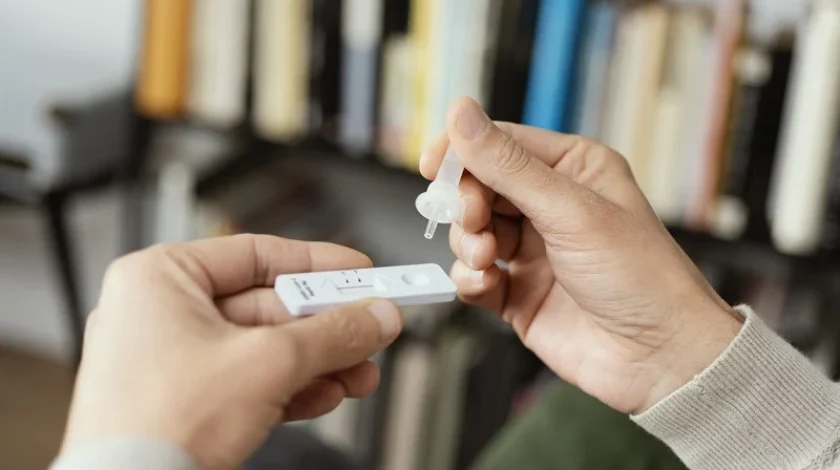
man using a covid 19 rapid antigen test at home

COVID-19 resurgence extends unpaid pandemic leave

Victoria Quayle ||

The full bench of the Fair Work Commission (FWC) handed down a decision on Friday 15 July 2022 confirming that it will extend the unpaid pandemic leave provisions (Schedule X provisions) in certain modern awards.

Essentially, this means that employees covered under the following modern awards will continue to have access to 2 weeks’ unpaid pandemic leave if they’re unable to work because of COVID-19 (i.e. are required to self-isolate), until 31 December 2022:

  • Aboriginal and Torres Strait Islander Health Workers and Practitioners and Aboriginal Community Controlled Health Services Award 2020;
  • Aged Care Award 2010;
  • Ambulance and Patient Transport Industry Award 2020;
  • Health Professionals and Support Services Award 2020;
  • Supported Employment Services Award 2020; and
  • Social, Community, Home Care and Disability Services Industry Award 2010.

Extending the Schedule X provisions in the above modern awards addresses the “most at-risk and vulnerable sectors, namely the health care, aged care and other care sectors”, as stated by the full bench of the FWC.

This decision stands in the face of a resurgence of COVID-19 cases across the Australian community, in which the full bench of the FWC noted that there is “an estimated 316,789 current active cases, which means that the number of close contacts will be correspondingly high.”

Ultimately, time-limited Schedule X provisions in any other modern awards ceased operation on 30 June 2022, meaning that employees covered under those modern awards do not have access to unpaid pandemic leave.

While the extended Schedule X provisions provide an unpaid entitlement, the Albanese Government has confirmed that the Pandemic Leave Disaster Payment will be reinstated. Further information regarding this payment can be found on the Services Australia website.

If you would like advice on the above, please do not hesitate to contact us.

Disclaimer: This article is for general information purposes only and is not a substitute for legal advice. While every effort is made to ensure the accuracy of the content at the time of publication, information, regulations, services, and best practices may change over time. For more details, please read our full disclaimer.

Share:

Send an enquiry

Any personal information you provide is collected pursuant to our Privacy Policy.

Categories
Archives
Author

More posts

Privacy Reform in Australia: What Businesses Need to Know in 2026-2027 (Part 2)

The next tranche of proposed Privacy Act reforms has arrived, with potential implications for businesses undertaking digital marketing, AI initiatives, customer analytics and other data-driven activities. We examine the key proposed changes and the practical steps organisations should consider if the reforms proceed.

Male Judge Writing On Paper
Parramatta Family Court: What to Expect

Attending Parramatta Family Court? Here’s what to expect, from getting there to what happens on the day, plus where to get support. Read our full guide.

Couple Having An Argument In Front Of Judge
Exclusive Occupation of the Family Home After Separation

After separation, disputes about who stays in the family home can quickly become stressful and complex. This article explains when the Family Court may make an exclusive occupation order and the factors considered when deciding who can remain in the property.

Juris what? What is accrued and cross-vested jurisdiction?

In family law matters, disputes sometimes involve issues that fall under both family law and other areas of law. The court may use either accrued jurisdiction or cross-vested jurisdiction to avoid separate court proceedings.

Forfeited…or not? When leases can be brought back to life

This article outlines the key principles and practical considerations relevant to relief against forfeiture. Forfeiture is when a tenant breaches a lease, a landlord may be entitled to terminate the lease and recover possession of the property.