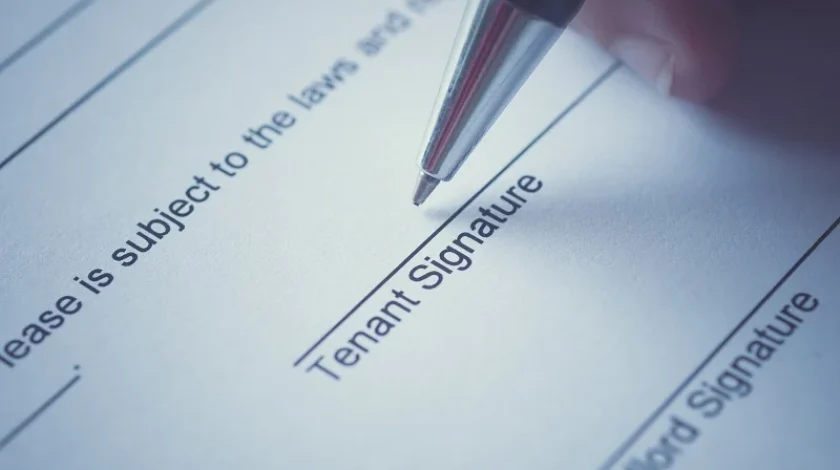
When entering into a leasing contract, rent is an essential term – and must be paid on time by the tenant as part of the tenancy agreement. When the tenant has failed to pay the rent when it is due, they are in rent arrears.
But what happens when your tenant stops paying rent? What are your options as an owner, and what is the best course of action?
NSW Civil and Administrative Tribunal
In circumstances where your tenant is frequently a few days late with their rental payments, an application can be made to the NSW Civil and Administrative Tribunal for an order for the tenant to comply with the terms of the tenancy agreement.
There are a number of General orders that you may find relevant, such as 187(1)(a) and 187(1)(b) – although as every situation is different, Coleman Greig strongly advises you to look into the range of orders that landlords can request mid-tenancy.
Termination Notice
If the tenant has not paid rent for more than 14 days from the date that it was due, you as the landlord do have the option to serve a termination notice. The notice must be in writing and both signed and dated by your agent. It must have the tenant address, and include the following:
- The day by which the tenant is to vacate the premises by (at least 14 days’ notice is required)
- The grounds for giving the notice – in this case, the non-payment of rent for at least 14 days
- A statement making clear to the tenant that if they have paid all of the owing rent, or that if they agree to enter into a repayment plan agreed upon by the owner, then they do not have to vacate the property.
Depending on the circumstances, it may be relevant for you as the owner to submit an application for orders 187(1)(a), 187(1)(b) and 187(1)(c).
Repayment plan
In circumstances where the tenant genuinely intends to pay back the owing rent, a repayment plan can be entered into and must be agreed upon by you as the owner.
For more information on what to do if your tenant has stopped paying rent, please contact: