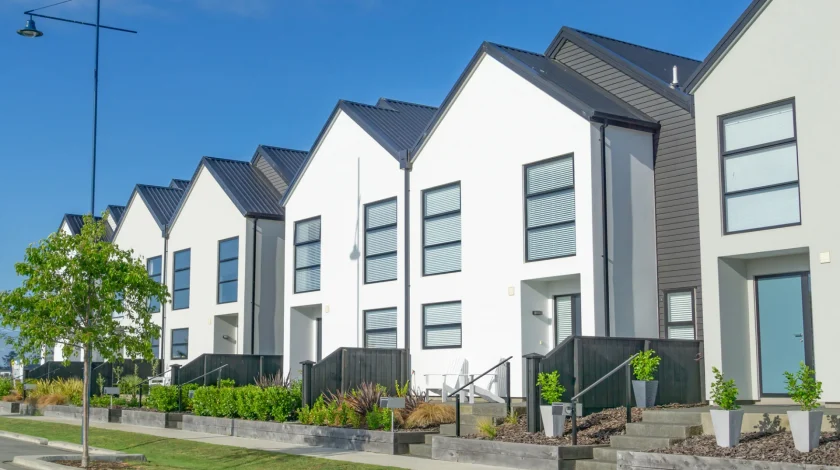
Commencing on 6 July 2018 the NSW Government will introduce a new Low Rise Housing Diversity Code (‘The Code’) which is more than likely to affect your area. Alongside a Low Rise Medium Density Design Guide (‘The Design Guide’), the Code has been implemented as an attempt to encourage low rise medium density housing development within NSW.
The operation of this Code can have a major effect on local areas. Within the City of Ryde by itself, it is predicted that the introduction of this code will increase the number of sites from 4,082 to an estimated 14,465. With the Code’s enforcement impending, it is important to understand just how it will affect your lifestyle and quality of life in your local area.
What the Code Implements:
The Code, where permitted under a Council’s Local Environment Plan, in the R1, R2, R3 and RU5 zones – will allow current property owners to build duplexes, manor houses and terraces. If the application complies with all relevant requirements as per the State Environmental Planning Policy (Exempt and Complying Developments Codes) 2008, it can be approved by a council or an accredited certifier within 20 days.
In addition, designs must also meet the relevant design criteria in the Medium Density Design Guide. In essence, the design guide aims to improve the design of medium density housing through the employment of standards to address key considerations including ‘layout, landscaping, private open space, light, natural ventilation and privacy’.
Implications of the Code:
There are a multitude of benefits brought about by the introduction of the Code, including the following:
- The Code will increase the housing supply across NSW, consequently improving overall housing affordability.
- The wide variety of design options under the Design Guide allows for houses to cater to a wide range of needs and lifestyles – from growing families to those in retirement.
- The Code works as a flexible alternative to apartments and freestanding homes which easily fit within existing streets and neighbourhoods.
- The two storey height limit ensures that the size and scale of developments will fit into established areas, essentially maintaining the existing character of existing neighbourhoods.
However, while there are notable benefits to the operation of this code, the disadvantages must be considered:
- The introduction of this Code has been heavily criticised by local government officials, with Independent Ryde councillor Roy Maggio condemning the code in his statement that “Aussie backyards are being turned into medium-density slums”.
- The obvious increase in population as a result of the introduction of this Code creates more congestion, pollution, people and more of a demand for services. To keep up with this new increasing demand, it is crucial that there is infrastructure development in the form of schools, roads and other amenities.
- As a consequence of the Code, developers may push planning limits by claiming that current local standards are out of line with the new State guidelines.
If you are concerned about these new changes, or would simply like to speak with one of the lawyers in our Commercial Property Law team, please don’t hesitate to get in touch with us.